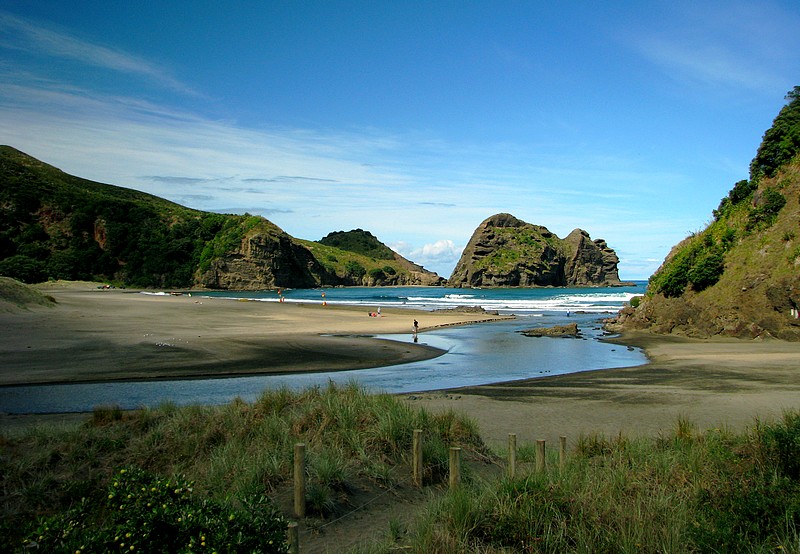
Ninety Mile Beach.

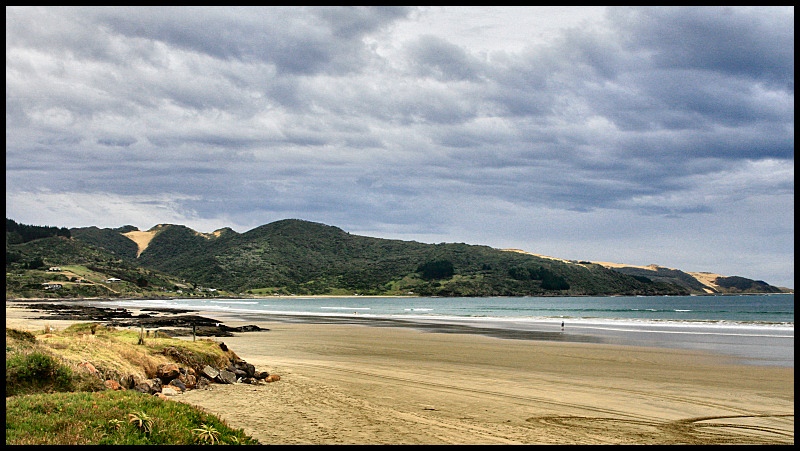
Bay of Islands.
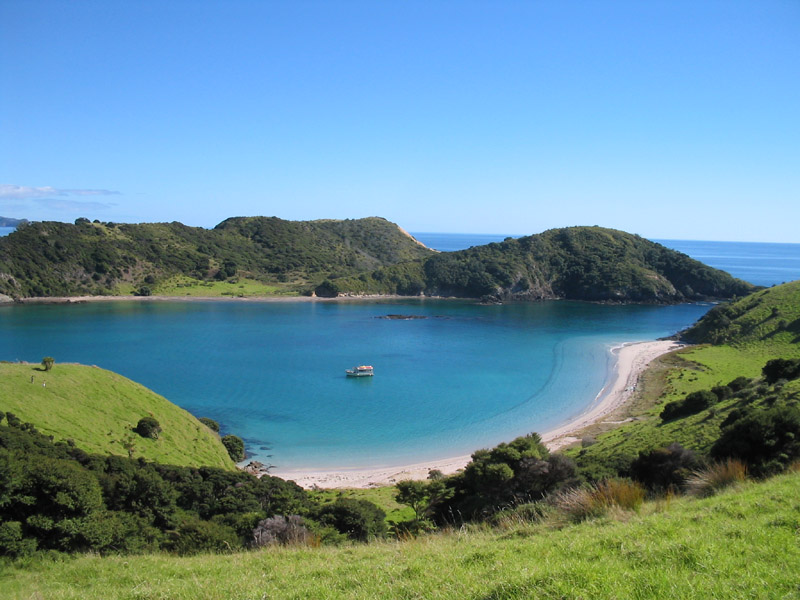
Baylys Beach.
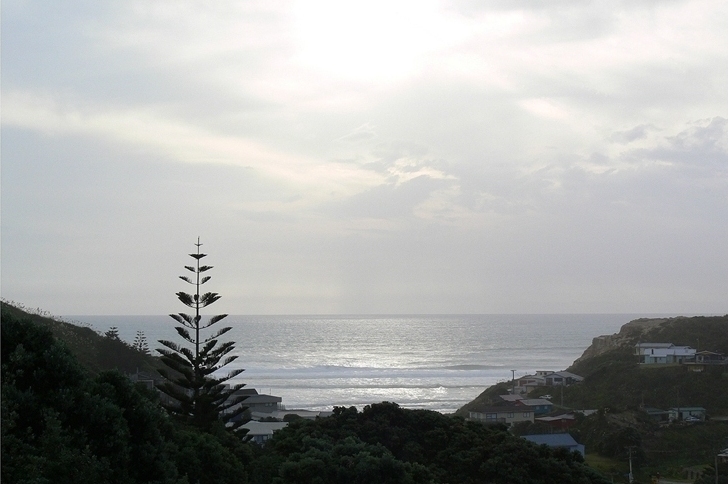
Cape Maria van Dieman
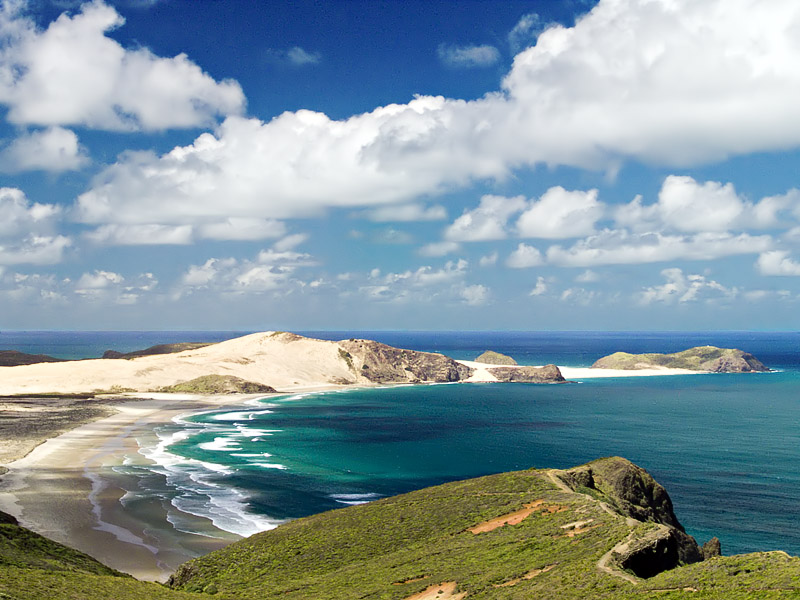
West Coast Northland.
Opo the Friendly Dolphin 1956-1957.
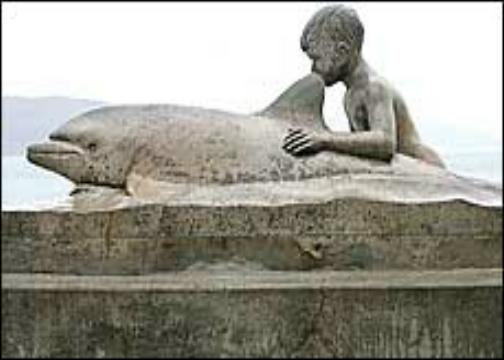
story of Opo
In the early summer of 1955, A lone bottle-nose dolphin swam into the Hokianga Harbour in the far North of New Zealand and adopted the people of Opononi as her family. Known as Opo, she became a favourite, first of the local community, then of its holiday-making visitors, and finally of the whole nation.
She reacted well with most everyone she came in contact, and especially with thirteen-year old Jill Baker, whose parents ran the nearby tearooms. Opo and the girl formed a very strong bond; Opo would tow Jill around the bay, and the girl would teach her tricks. Opo was especially careful and gentle when she was around small children. She loved children but seemed to know how fragile they were.
Very few local Maori played with Opo. They believed Opo was a taniwha, a messenger sent by Kupe back to to his point of departure for Hawaiki. Dolphins have also figured in Western mythology, from the time of the Greek gods, as creatures friendly to humans. So in Opononi, Polynesian and European mythology came together to form a fabric that was a uniquely New Zealand one. But Opo's visitation didn't bring together Maori and Pakeha cultures. It didn't even bring Pakeha together. Instead the coming of Opo released contradictory forces that are perhaps in all New Zealand communities but which are rarely seen so openly: loyalty and envy; gentleness and viciousness; trust and scepticism; generosity and avarice.
As thousands of visitors started to arrive at Opononi, she put on a show for them at the beach there almost every day, making some people scared for her safety: they thought such extreme interaction with humans would harm her. In response, the government passed a law limiting human interaction with her. But not everyone welcomed this law.
Fishermen blamed Opo for their empty nets, others saw the law, which protected all dolphins in the Hokianga harbour, as a threat to the supremacy of man over nature.
The day after the law was passed, Opo was found dead. During the night, a fisherman had blown her up with gelignite. The whole nation was devastated. The local community gave her a public funeral, and erected a statue of her in remembrance of her loving spirit.
Henderson Bay
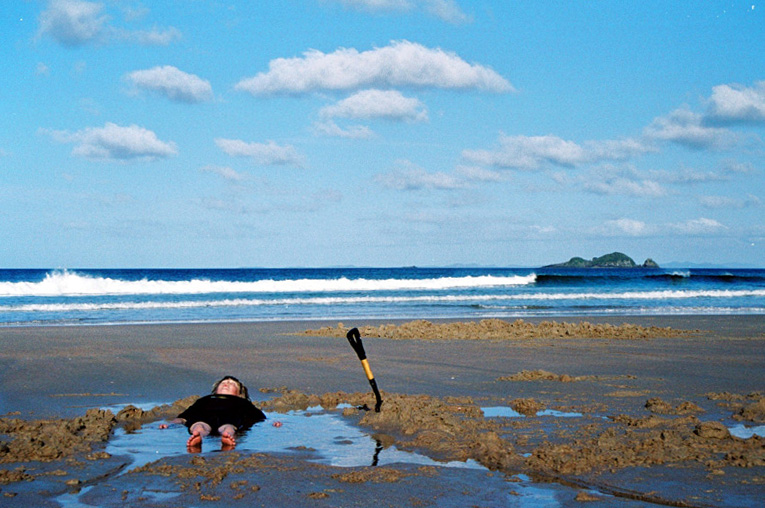
Kaitaia
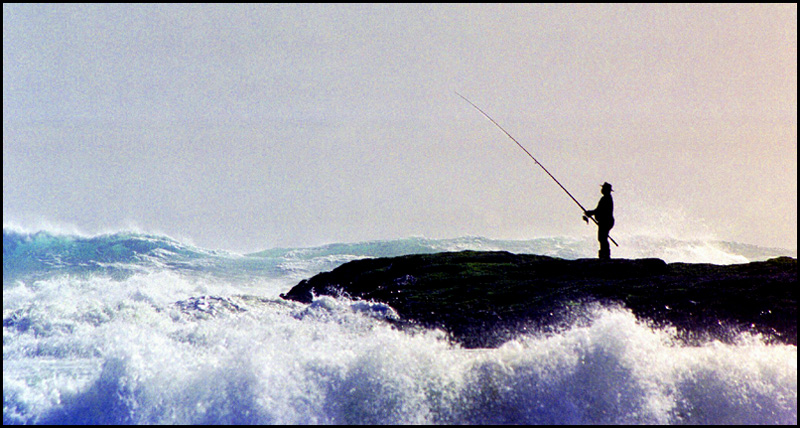
Mangonui Harbour
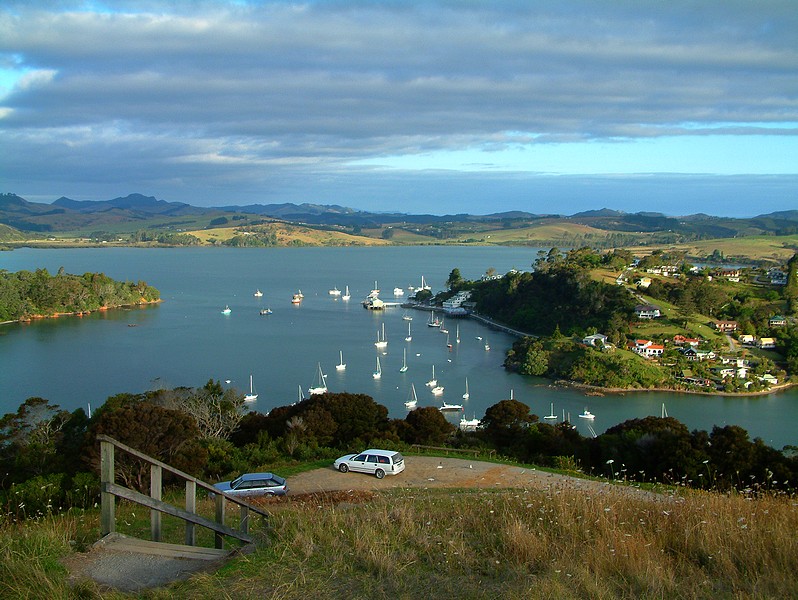
MATAI BAY
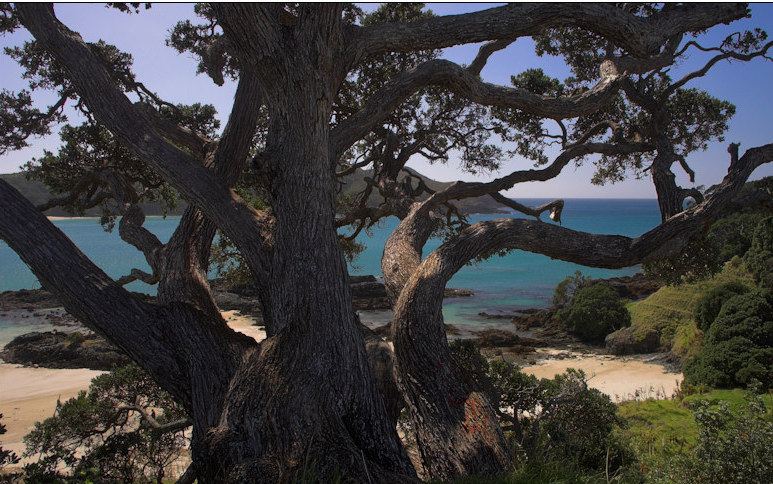
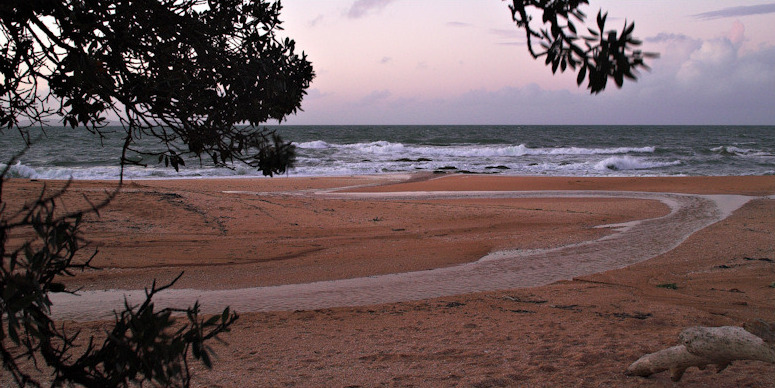
The red beach
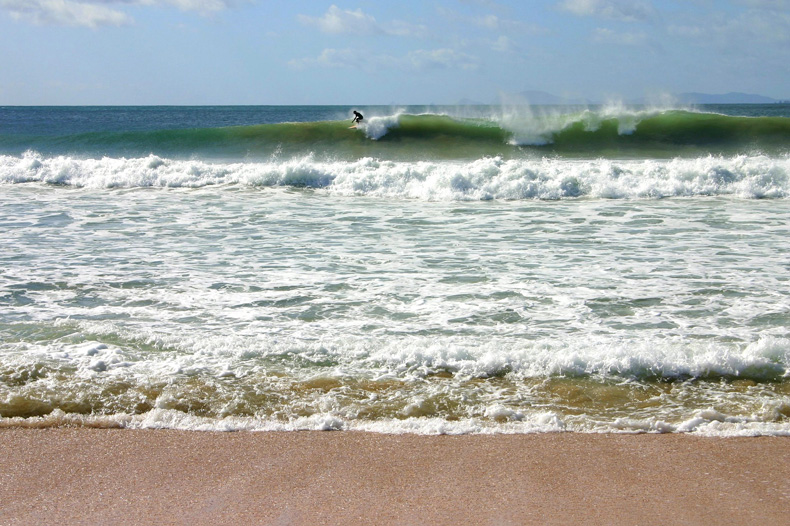
The surfer Matauri Bay
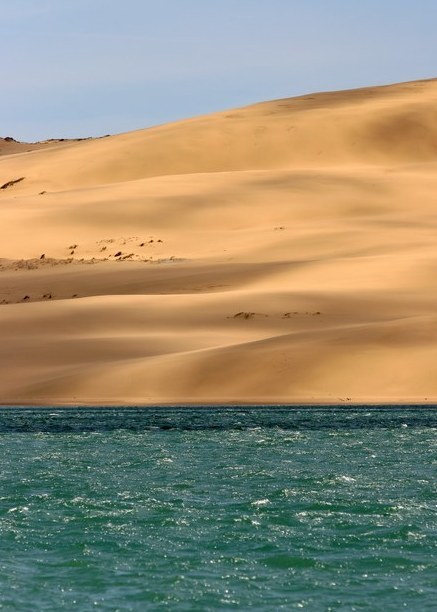
Opononi Sand Dune
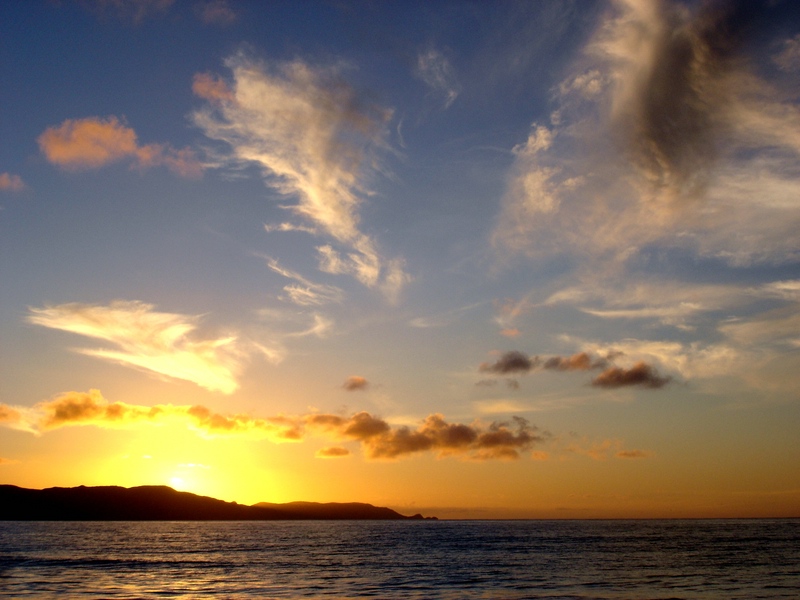
Spirits Bay
Maungapiko Hill
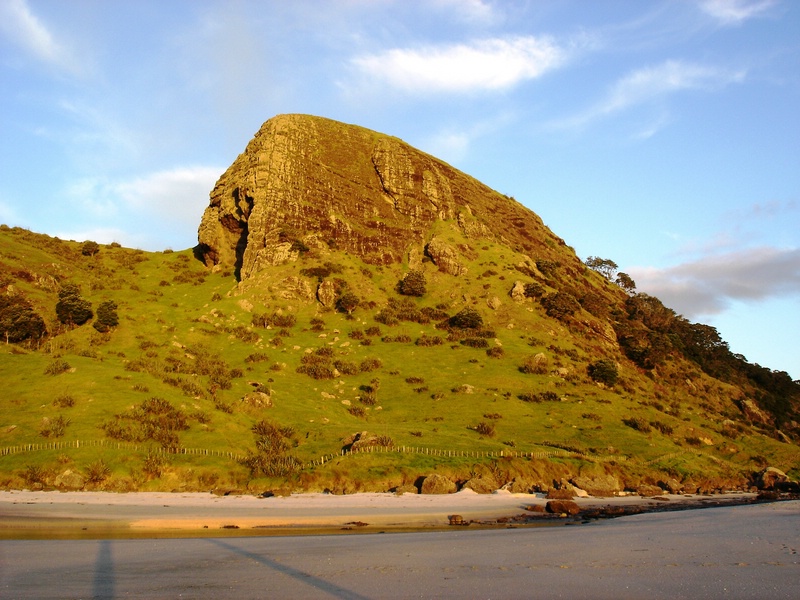
The Lesson At Witi
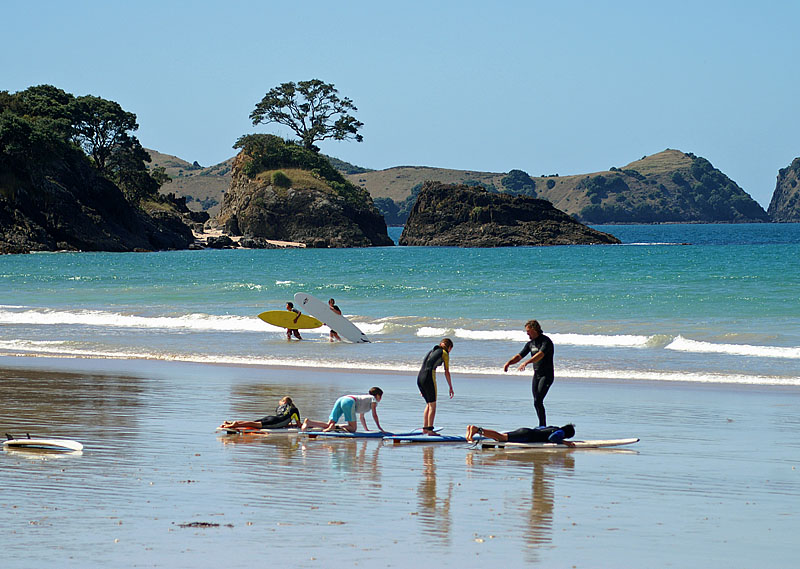
A Wee Slice of Paradise
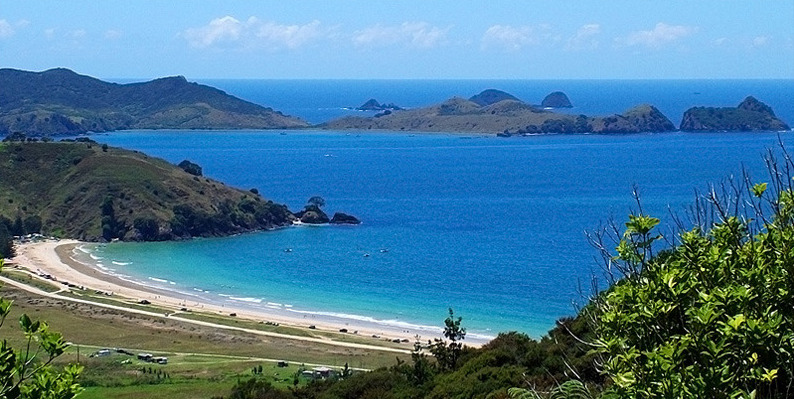
Seafront of Piha